Working Alone
I Work Alone
Not all the time.
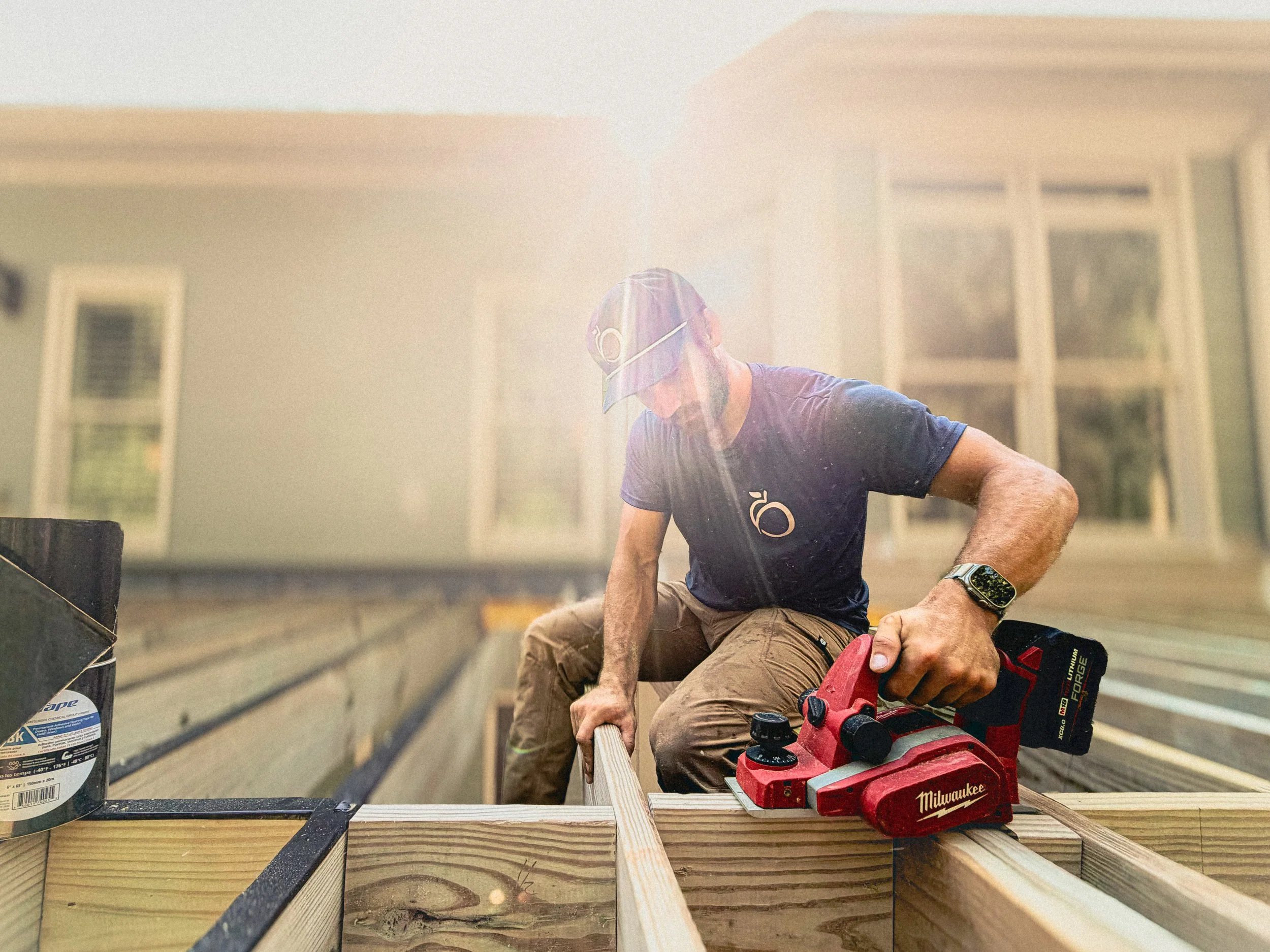
Within my own business, about 95% of the year, it's just me. Every now and then a friend lends a hand—usually to speed up a project or help move something that simply isn't meant for one person. But when people realize it's actually just me doing the work, they're often surprised by what one person can accomplish.
Strangely enough, that's how my career has always been.
I do work alongside other businesses from time to time, usually as a lead carpenter brought in to help move a project forward. I enjoy those opportunities. There's a certain brotherhood that comes from working alongside other carpenters, all pulling in the same direction.
But those jobs are temporary. I still have my own clients to take care of.
When I first started as a helper nearly a decade ago, I spent my first year surrounded by older carpenters. It was a strong crew, and I learned a tremendous amount just by watching them work.
Then winter ended.
When work picked back up, everyone had scattered to their own projects.
That was my first lesson in how this industry often works.
Most of the people I've worked beside weren't employees. They were sole proprietors, just like I am today. A builder might coordinate the project, but each carpenter is ultimately running their own business. They choose when they work, what jobs they take, and how they operate. They may show up everyday for a long while. And the next day, disappear without notice.
Coming from a white-collar background, that took some getting used to.
I was used to clocking in at a certain time, staying until the workday ended, and putting in extra effort if I wanted to stand out. When I became a carpenter, I carried that same mindset with me.
So it surprised me how often people would show up two or three hours after the agreed start, or leave early if they felt like it.
Technically, they weren't doing anything wrong.
They weren't employees.
They were businesses.
The builder I trained under was almost always around, but he also had estimates to write, clients to meet, and a company to run. Many mornings he'd explain the day's work to the lead carpenter, who would then show me what needed to be done.
Before quickly, the builder started giving those instructions directly to me. My job became figuring things out until the others arrived.
That left me alone—a lot.
After that first winter, it became even more obvious. The experienced carpenters who had spent the previous year with us were busy running their own jobs, leaving me to solve problems on my own. Someone with not enough experience to understand the process.
Looking back, that year shaped the carpenter I've become.
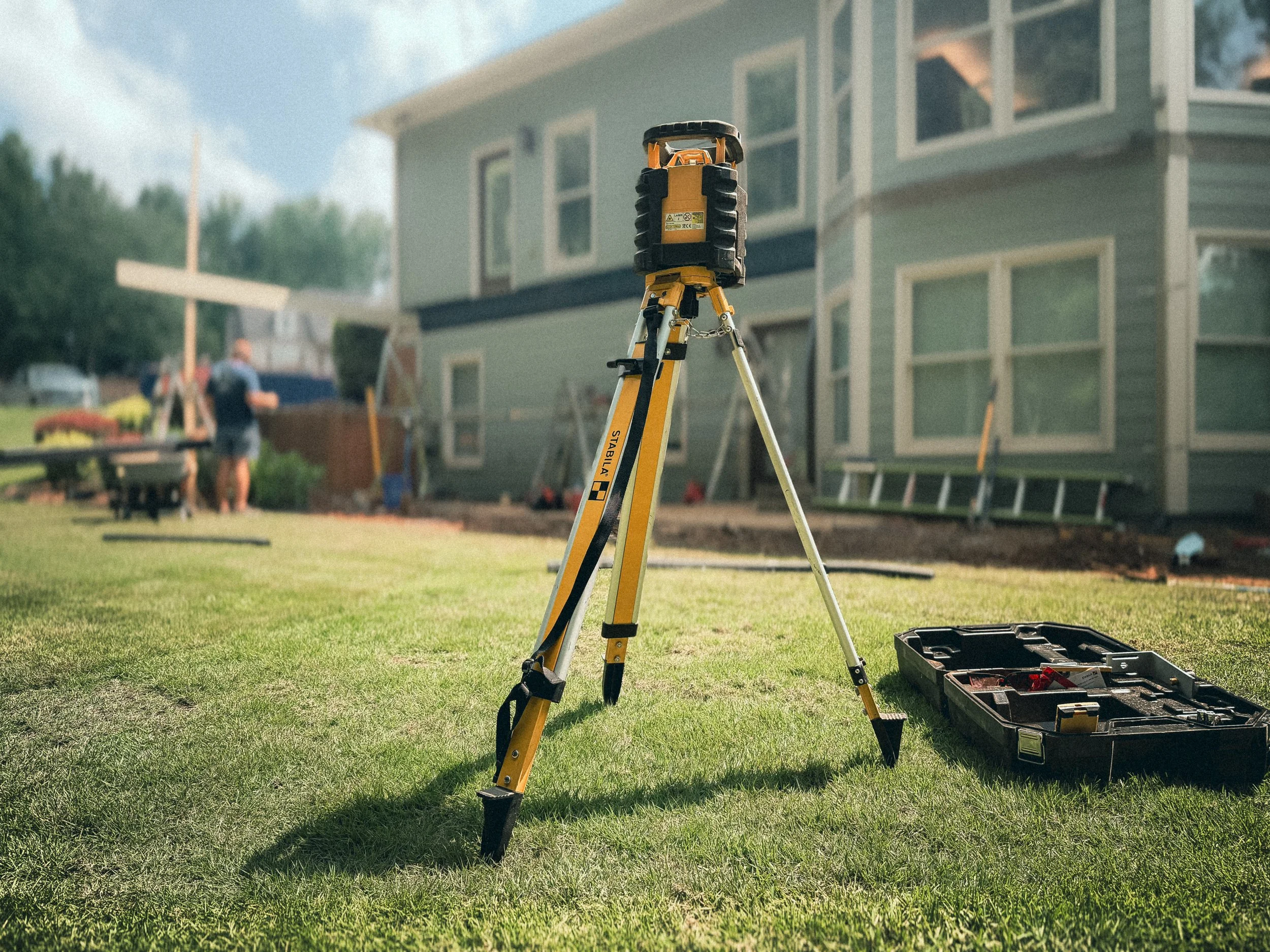
The builder invested heavily in teaching me. Not just how to build something, but how to think.
He taught me to stop thinking like a helper.
Think like a carpenter.
One day I asked him what he would do if I left.
His answer has stayed with me ever since.
"Either with an army, or by myself, I'll get it done."
To me, that's what separates a good carpenter from a great one.
It's never been about how many people you have beside you.
It's about whether you can still find a way when nobody is there.
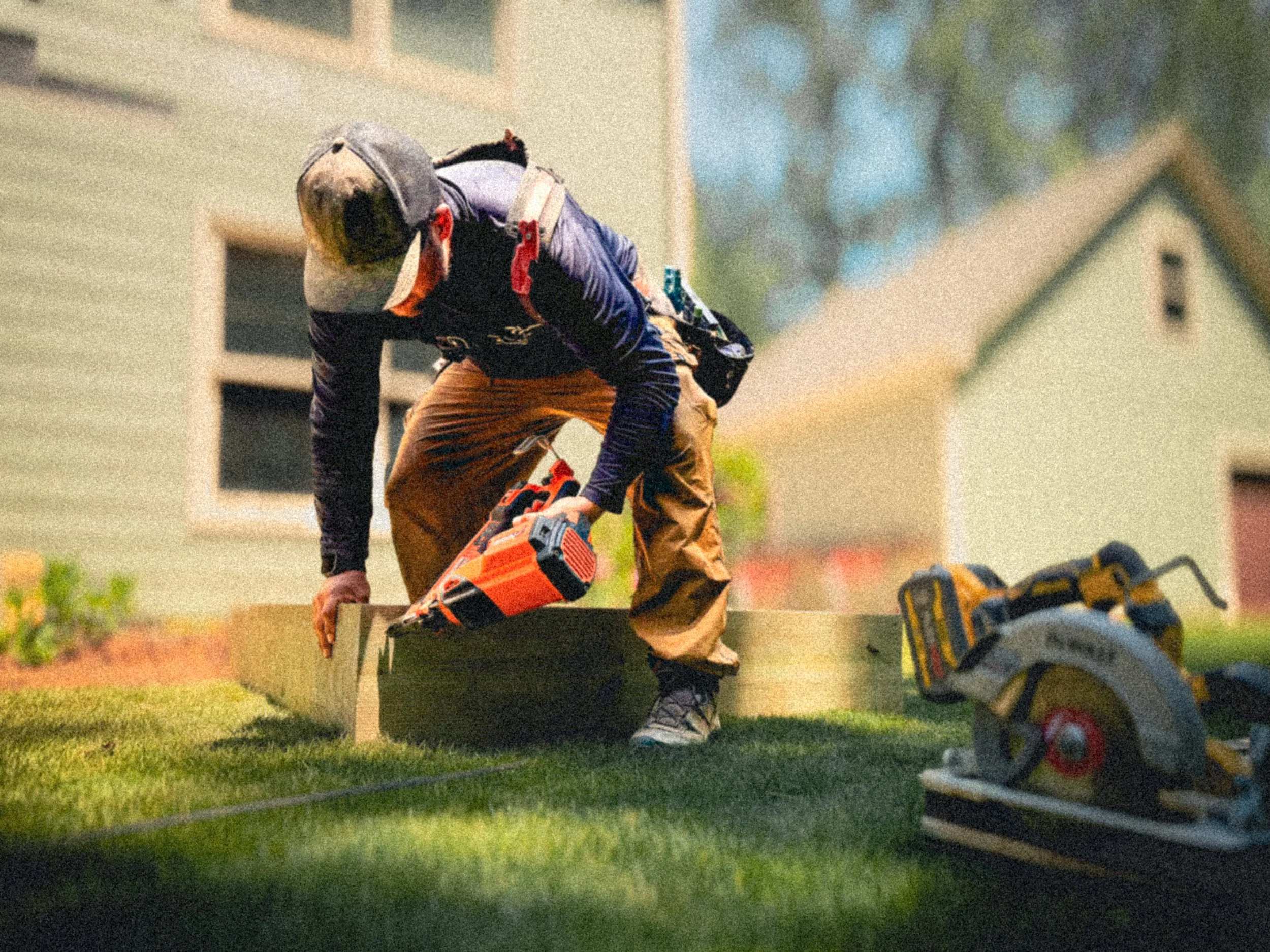
That's probably been the defining characteristic of my own career.
When some people see an impossible task, they see a reason to wait for another set of hands.
I see a puzzle.
I've spent enough years working by myself that my first instinct isn't to ask who can help me. It's to figure out how one person could accomplish it safely.
A recent deck project reminded me of that.
The main deck was finished, but we still needed to build an unusually large landing for the stairs. Most crews would frame it in place like another section of deck.
Instead, while everyone else was busy on other parts of the project, I framed the outside band on the ground where it was easy to square. Then I set up two A-frame ladders with a walk board between them, lifted the frame onto the temporary platform, and used that to establish the final post heights before fastening everything permanently.
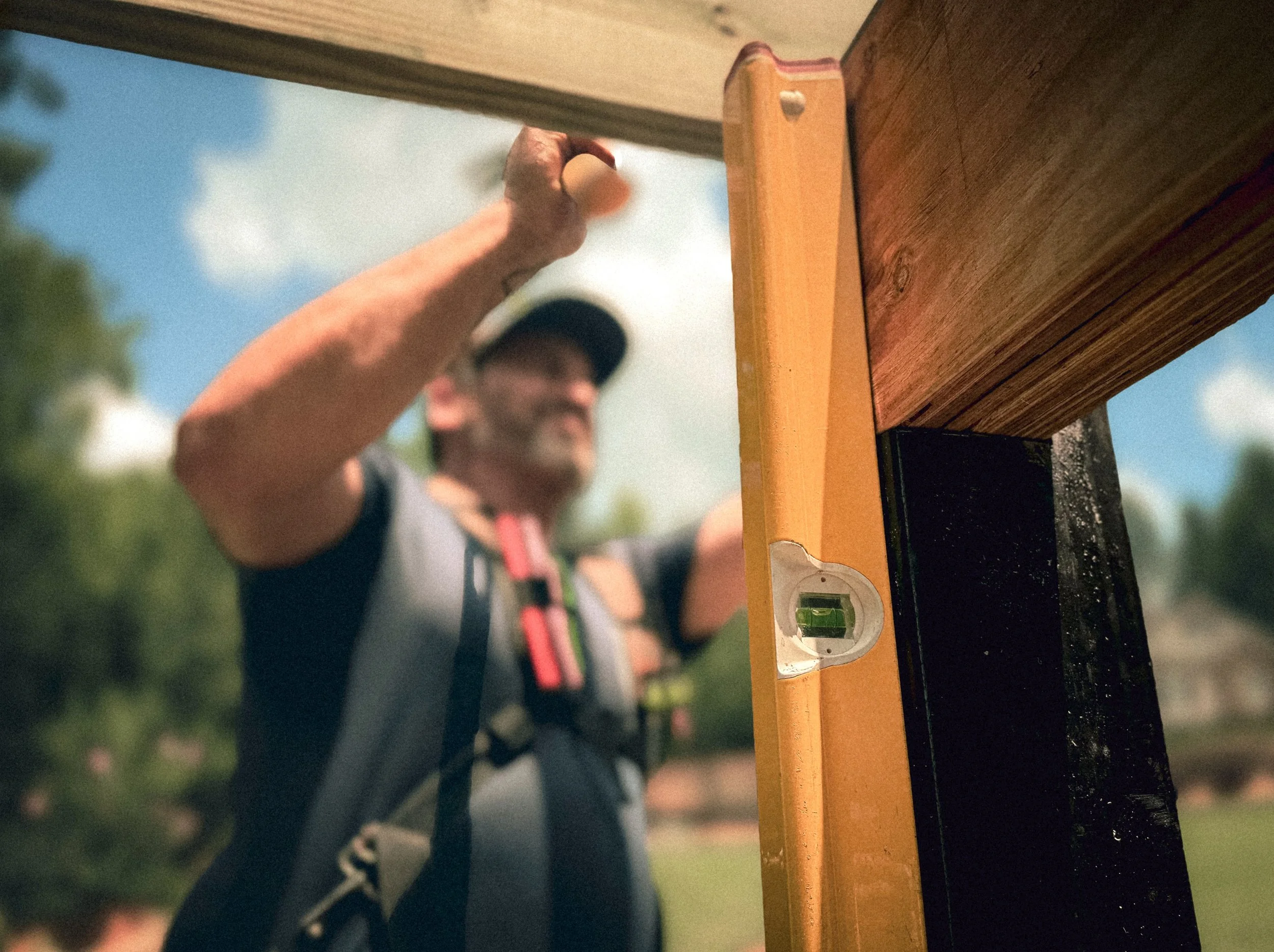
One of the crew asked where I'd learned to do it that way.
I laughed and said,
"That's just how I'd do it if I was alone."
Because, in my mind...
I was.
That's the kind of thinking that comes from years of working by yourself.
Builders have jokingly told me I'm worth two or three carpenters because of it. I don't think it's because I work harder than everyone else.
I think it's because working alone forces you to think differently.
You start looking for what carpenters call a "third hand." You build temporary supports. You create jigs. You use leverage. You break impossible-looking jobs into smaller pieces until they become possible.
Working alone teaches you to solve problems before you ever pick up the tool.
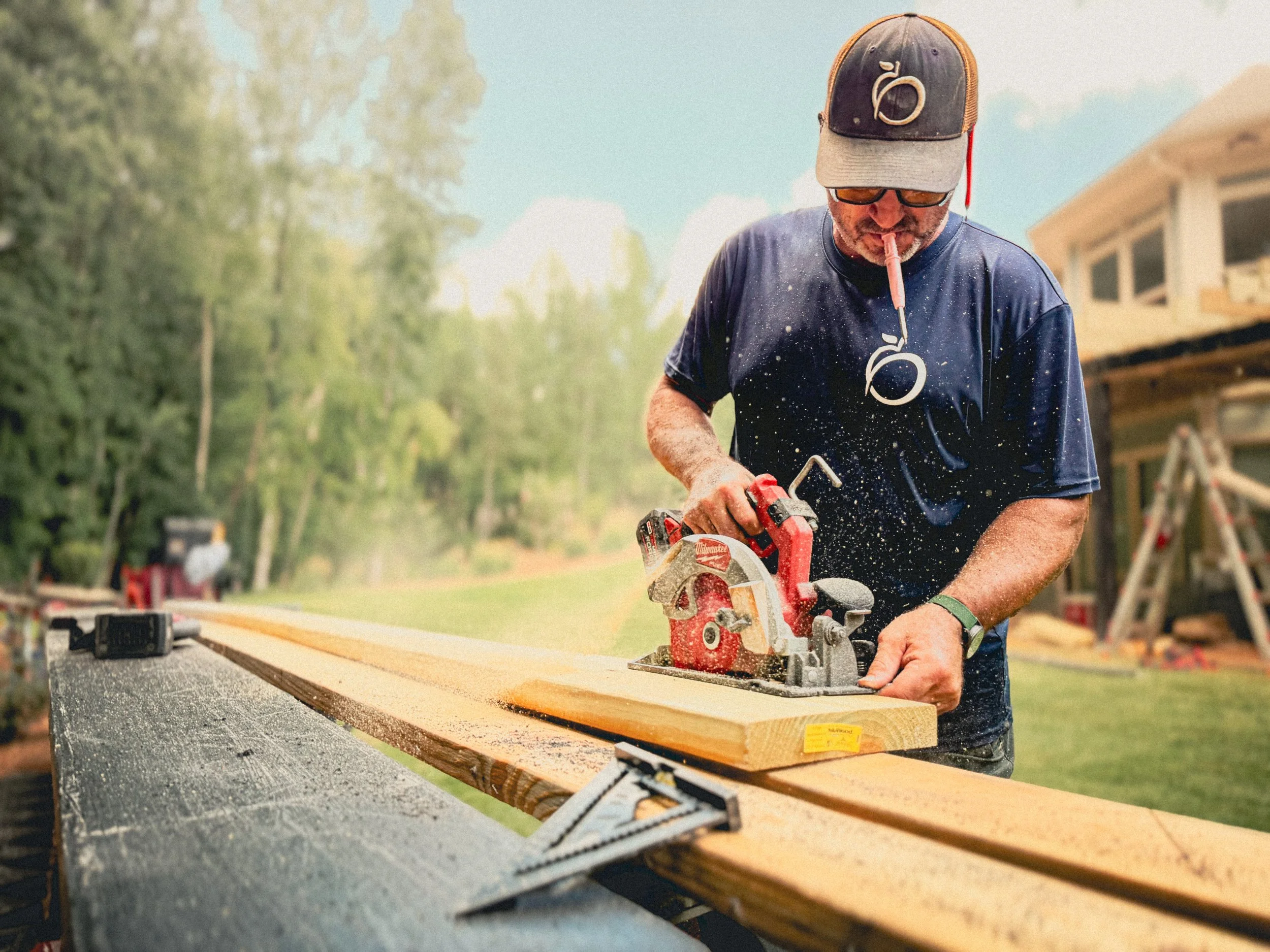
As I've gotten older, though, I've started wondering how long I can keep doing some of those things.
The mind will always be there.
The body is another story.
Ladder work isn't what it used to be—not because I'm afraid of heights, but because years of climbing, lifting, and balancing have taken their toll.
Maybe the answer is finding new tricks.
Maybe it's investing in better equipment.
Or maybe it's simply becoming more selective about the work I take on.
I hope to continue moving toward the kind of carpentry that's slower, more technical, and more dependent on experience than brute strength.
For now, though, I've accepted that I'll probably keep working alone.
Part of that is expense.
Part of it is the freedom.
And part of it is that working alone has made me the carpenter I am today.
Still, there are days when I wonder what it would be like to find a crew that values craftsmanship the same way I do. A builder who sees the work the way I see it.
Maybe that's a conversation for another time.
No one can predict tomorrow.
I'm always open to new opportunities.
But if today is any indication...
I'll probably be working alone.