Being Clever Is a Must
Repair work doesn't always mean you can burn the whole house down and start over. It also doesn't mean you can tear everything apart and work as if it were new construction.
Every repair has pieces that are tied together. Changing one thing affects another, which can quickly throw a budget out of proportion. Even with years of experience, you can't always know exactly what needs to happen until you start opening things up. You have to become comfortable with that uncertainty.
I've worked alongside carpenters who become like a deer in the headlights when they're confronted with that kind of complexity. The challenge isn't knowing every answer before you begin. It's learning how to think your way through it.
The goal is always the same: simplify the solution. Make the correction as quickly as possible while making sure the problem doesn't come back.
That same philosophy extends beyond the repair itself.
People often throw around words like experience and efficiency as if they're simple concepts. Over the last few years, though, I've been intentionally exploring how to accomplish work with as little complication as possible. A lot of that came from my years doing commercial maintenance, where I often had to solve problems in the middle of the night with a limited window to get everything finished before the building opened again.
You couldn't just show up and hope things worked out. You had to think ahead, adapt, and figure things out with whatever you had available. Maybe that's a conversation for another day, but one question has stayed with me ever since:
How can I narrow down my process?
I've written before about rediscovering hand tools. More recently, I've been using a set of hand planes that have become the better solution in more situations than I expected.
But that curiosity really started much earlier.
Sometimes the best tool I had with me was nothing more than a screwdriver. Maybe my drill wasn't nearby, or the battery had died. If there were only a handful of screws to remove, why spend time hunting for another tool when the screwdriver could accomplish the job just as quickly; and sometimes even faster?
Again and again, I've found that experience, paired with a smaller and lighter tool, was the better answer.
I was reminded of that recently while helping build a deck.
We needed to raise a band board about a quarter inch to line up with a post we had already cut. The conversation immediately turned toward finding a jack.
All I could picture was more time spent searching for the tool, setting it up, and making sure it didn't slip.
Instead, I grabbed a pocket bar and a 5-in-1 tool. Sliding them between the band and the post seat gave me enough leverage to guide everything into place. It was one of the first tricks someone showed me when I was the new guy, and it's solved that same problem countless times since.
Those are the kinds of lessons that excite me. The little tricks you collect over years of doing the work. They aren't flashy, but they're often the simplest and fastest solution.
That way of thinking doesn't stop with hand tools.
It's also changed how I think about my power tools.
Carpenters own a lot of specialized tools. Every one of them has its place. But every additional tool also takes up space, adds weight, and has to be transported.
I own a trailer that stores nearly everything I need. For a long time, I felt like it had to go with me everywhere. It burned fuel and added wear to my truck.
Eventually I started asking myself the same question:
How can I narrow this down?
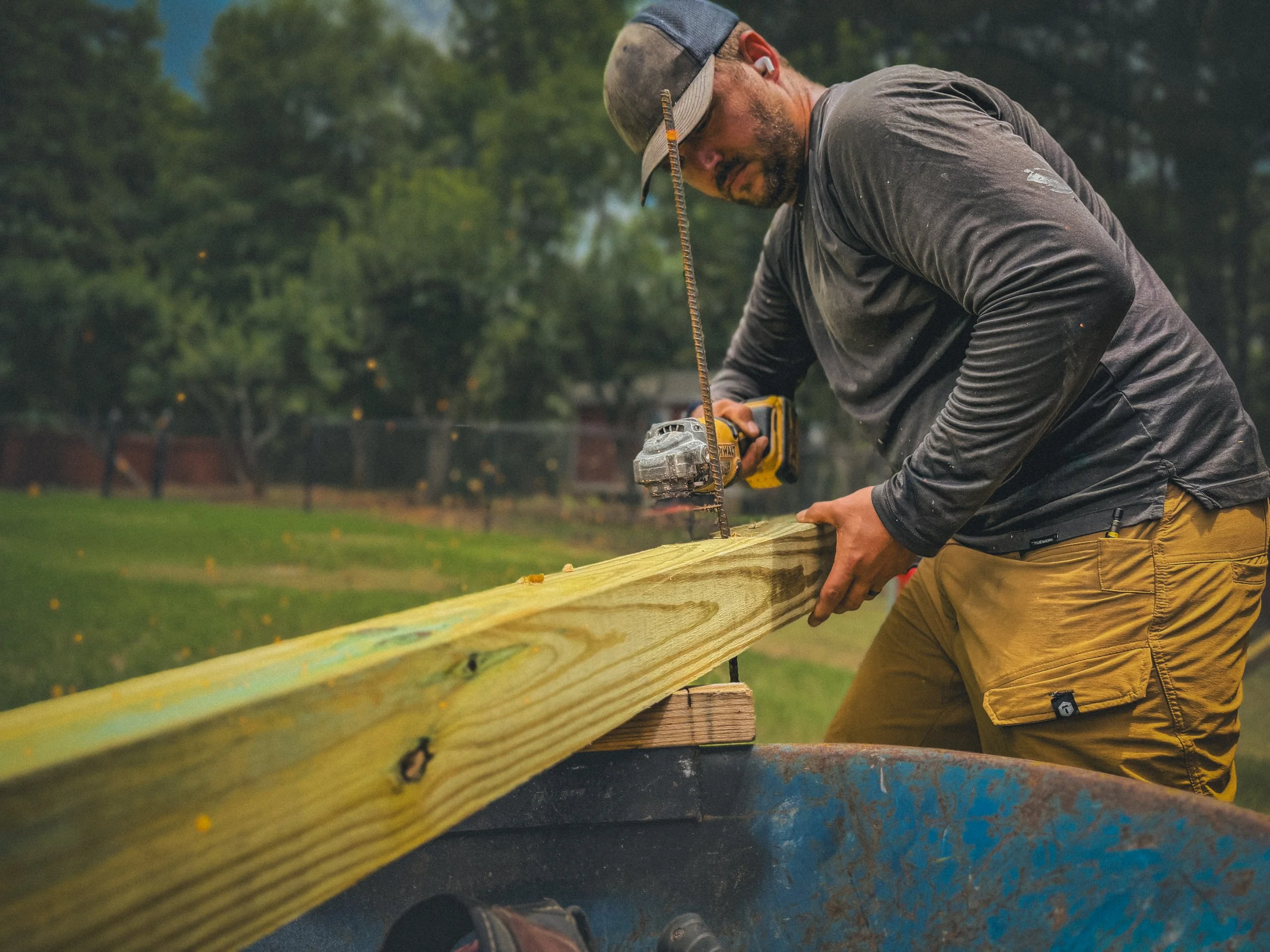
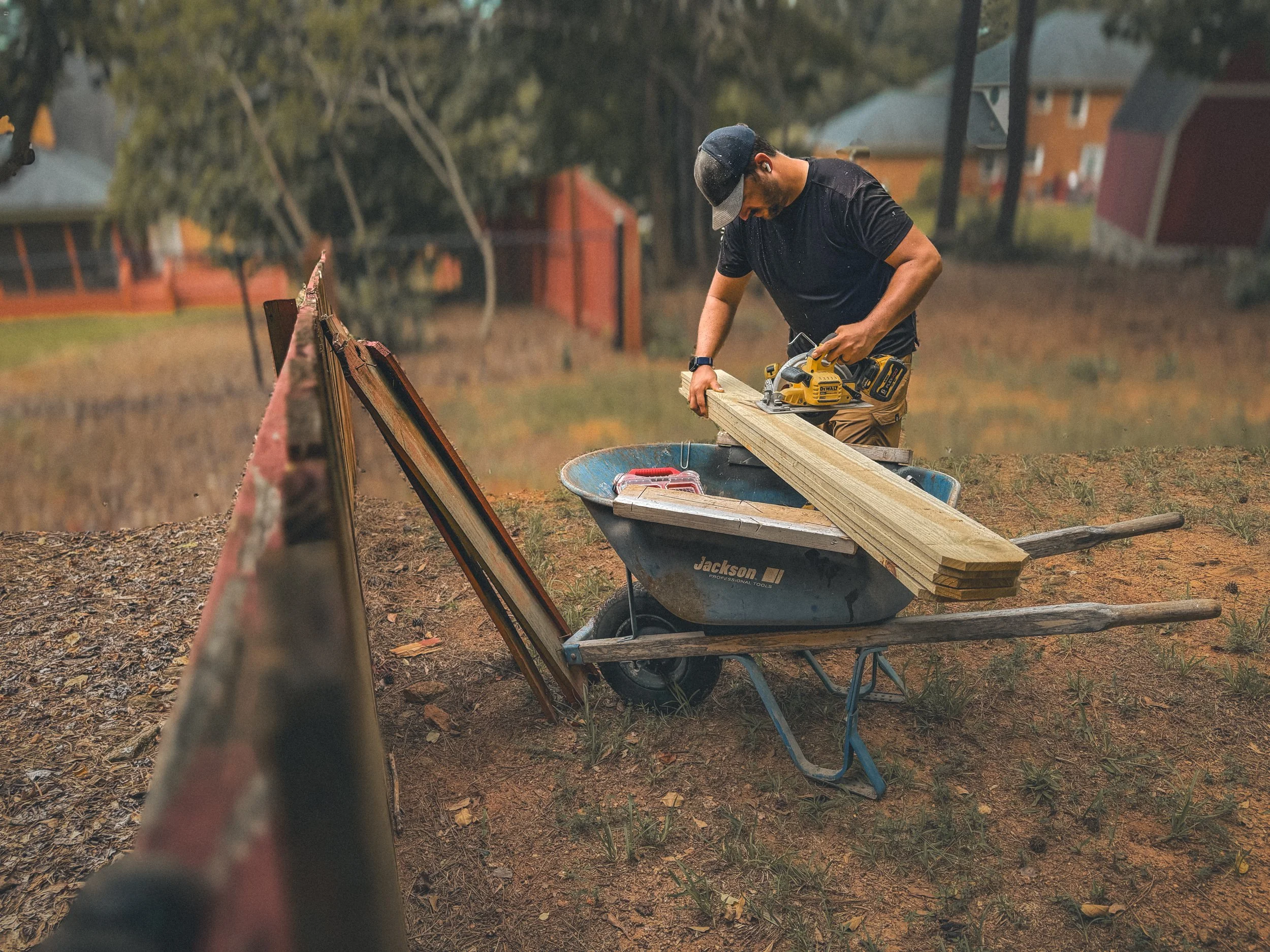
The biggest change came from looking at my circular saw differently.
When you really think about it, a table saw, miter saw, track saw, and even a power planer all revolve around the same basic idea: a spinning blade designed to remove material. They're specialized versions of the same concept.
The general contractor I apprenticed under relied heavily on a circular saw. He didn't even own a table saw because he trusted his ability to make accurate cuts. And when something needed to be perfect, he'd clamp down a straightedge, and do the work. Not relying on another machine.
That way of thinking stuck with me.
Over time, it's become a fun challenge to see how much I can simplify the work without sacrificing quality.
I'm not getting rid of my specialized tools anytime soon. They absolutely have their place.
But when it comes to repair work, the goal isn't to use the most impressive tool. It's to solve the problem as efficiently and thoughtfully as possible.
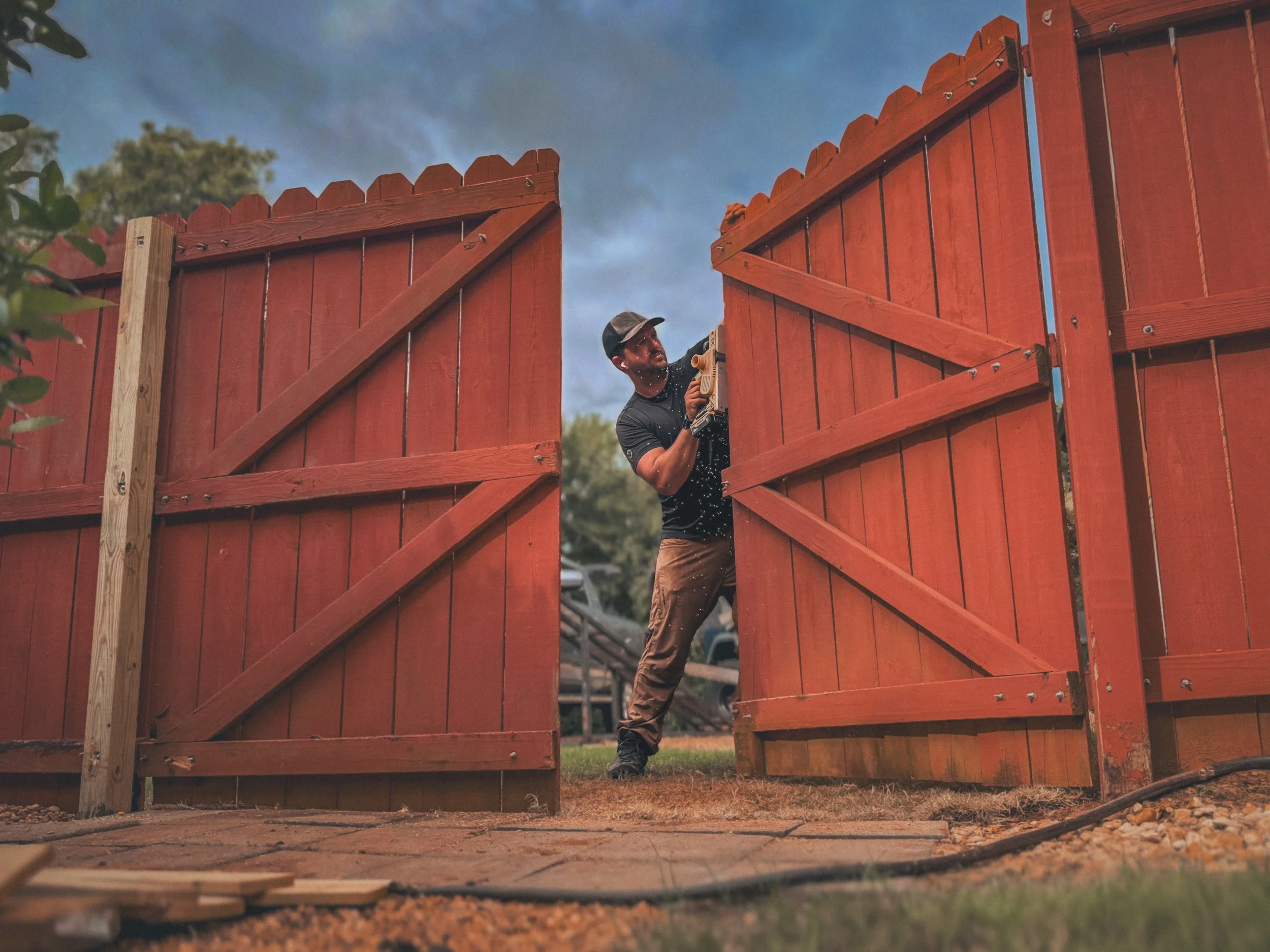
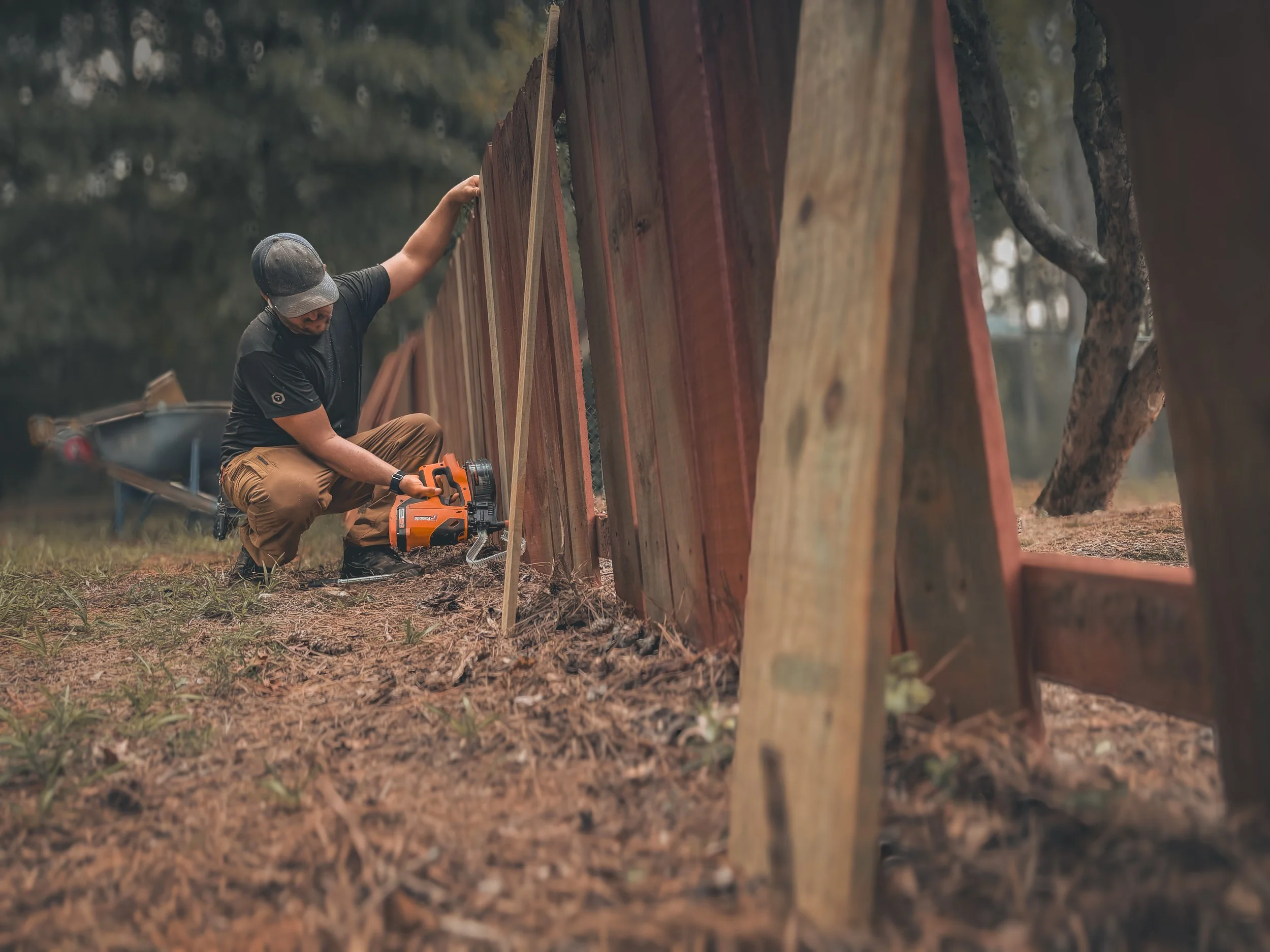
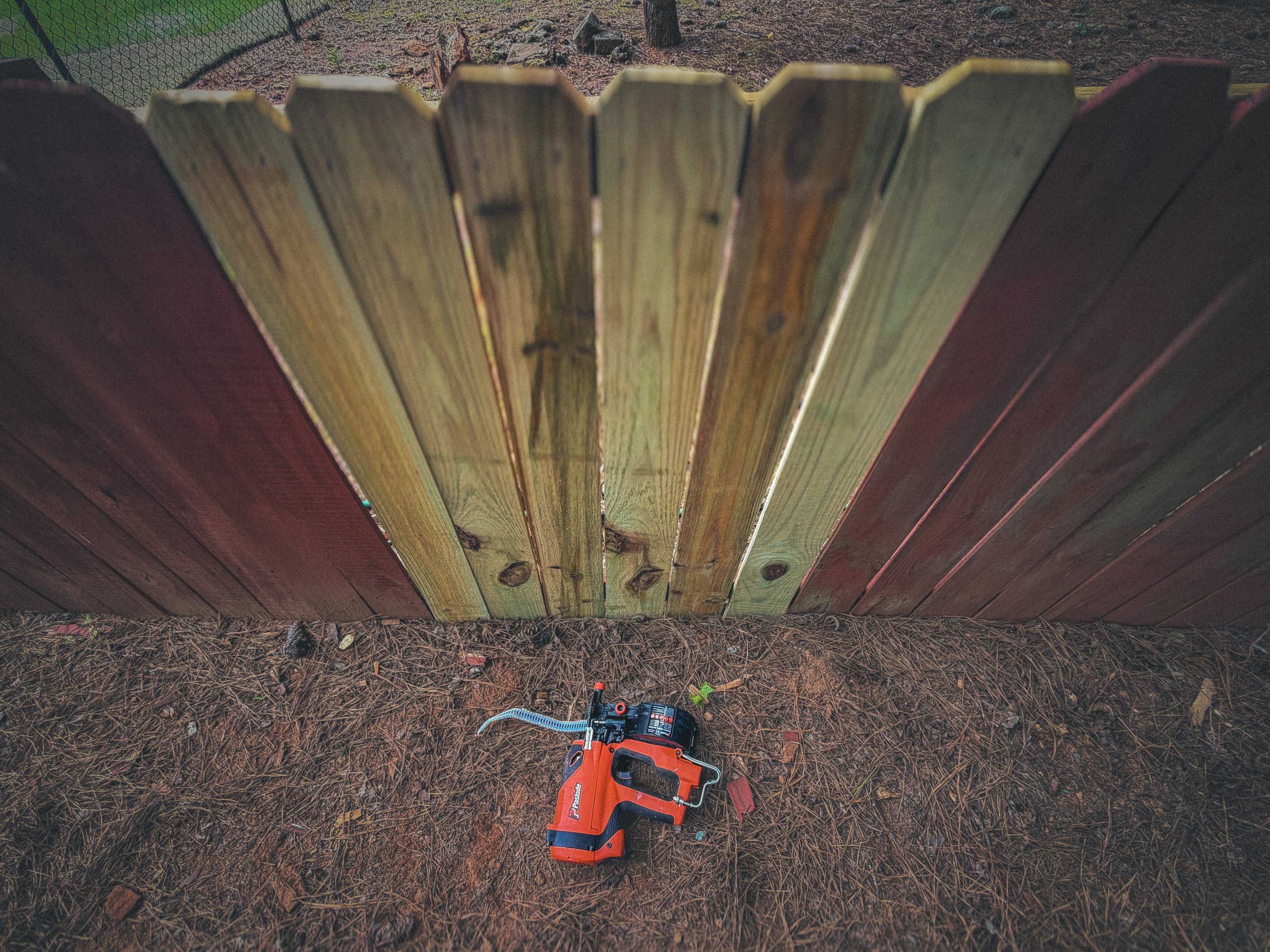
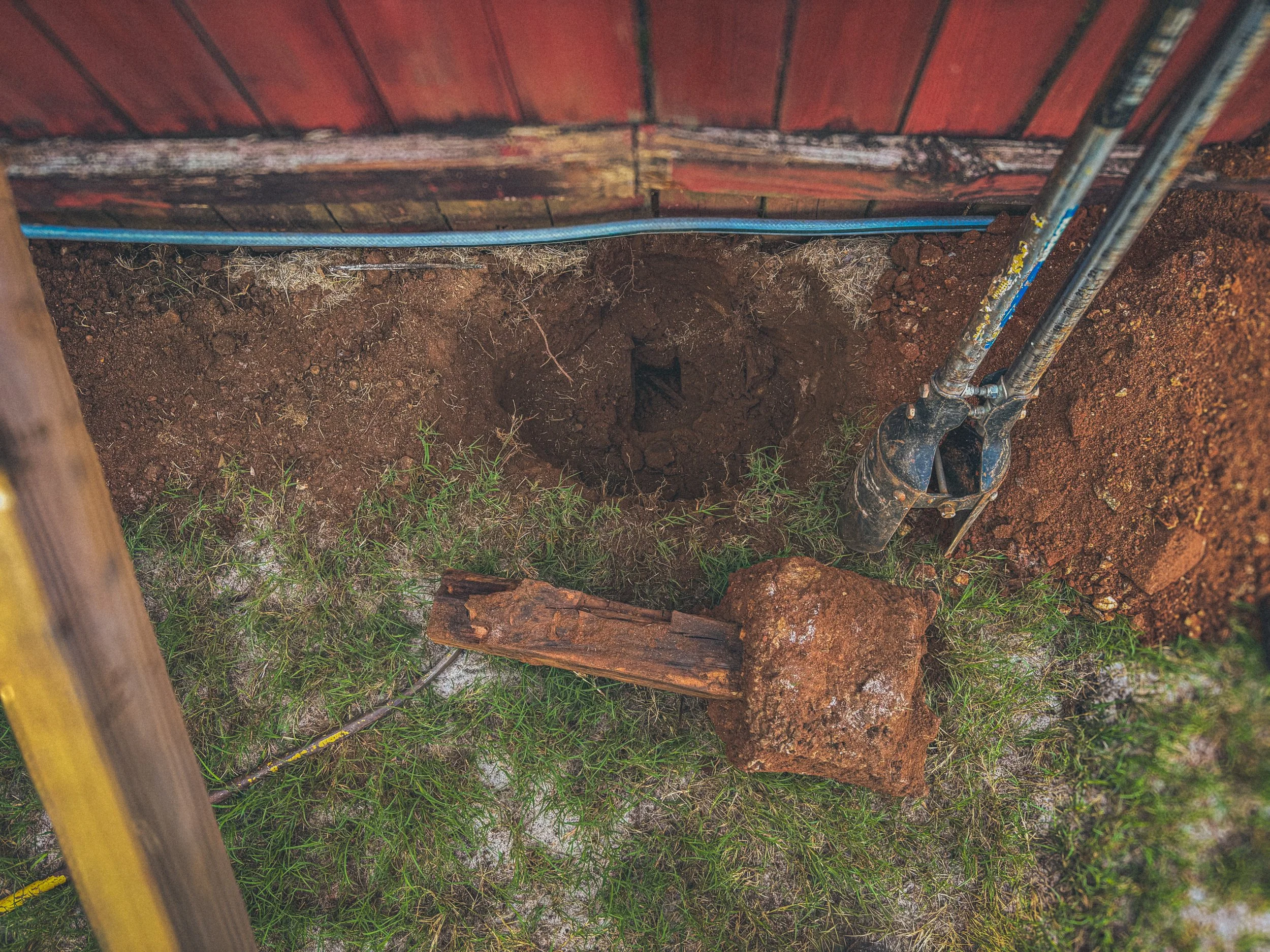
The fence repair I've been sharing photos of from Watkinsville reminded me of that almost every day. Repair work constantly asks you to think before you act.
I'm sure I'll write more about the little tricks I've picked up over the years. I'd also like to slow down enough to capture more of them while I'm working.
Because, in the end, that's one of the things I enjoy most about this trade.