A Carpenter’s Advice
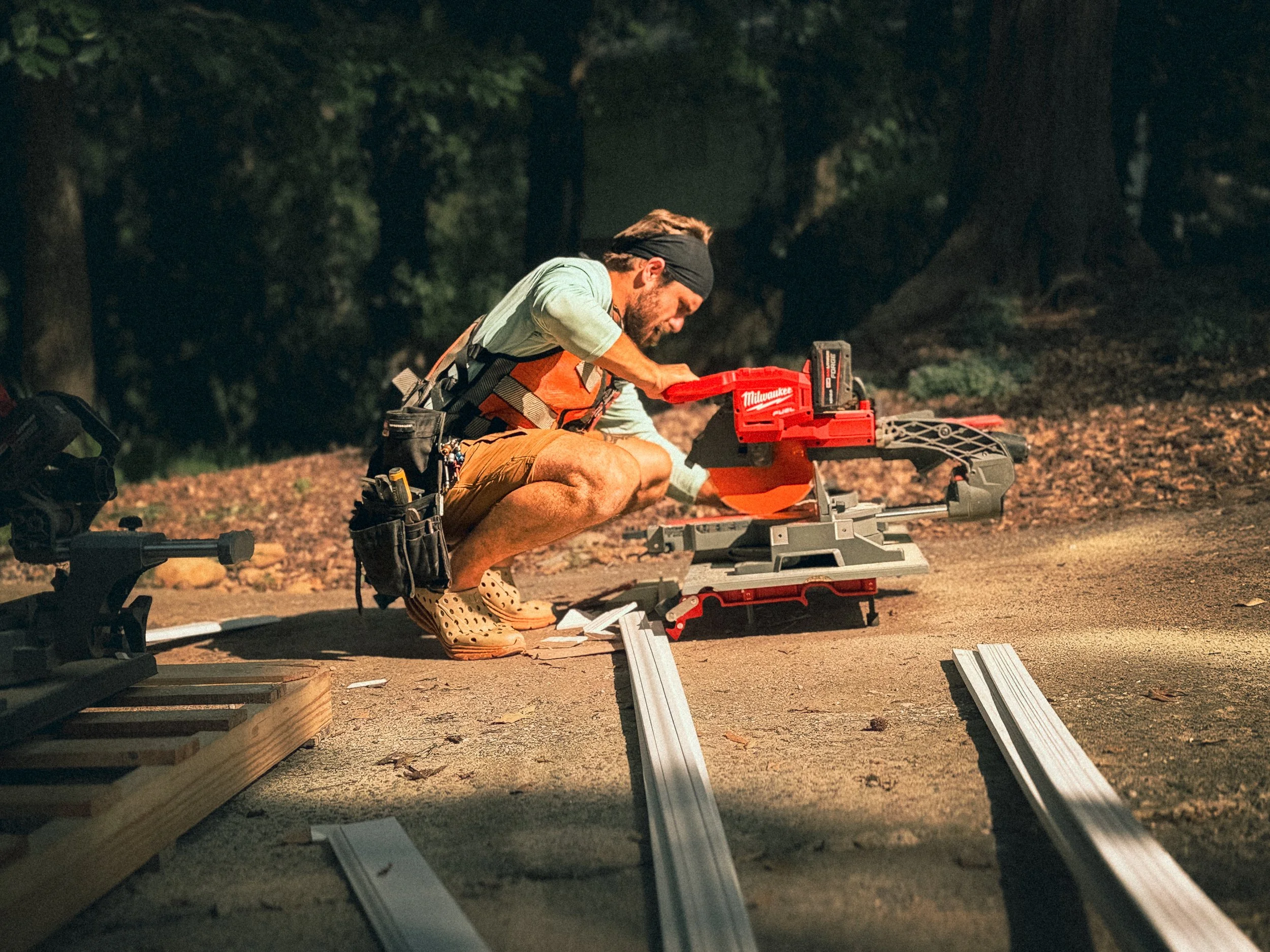
Mentorship is something I have always been interested in.
Even though I have a hard time imagining having a true apprentice under my wing every single day, when opportunities arise—whether someone reaches out or I get the chance to work alongside someone hungry for that extra push—I enjoy passing on the mistakes I have made, the lessons I have learned, and the things that have contributed to my own success.
There is something incredibly rewarding about watching someone grow. Even knowing that, eventually, they may leave the nest and go create their own path.
I was fortunate enough to have that kind of start. Whether the old man saw it that way or not, I learned a lot from that experience. Maybe that is part of why I feel drawn to do the same for someone else.
While I feel like I have gained a better understanding of what it means to be a carpenter, I am still searching for more refined knowledge myself. I don’t think that ever ends. There is always something else to learn.
But after years of working with my hands, there are a few things I know to be true.
Stick With It
This might be the hardest lesson on this entire list.
When someone decides they want to become a blue-collar worker, there is usually excitement and a sense of adventure. But those who have been around the trades understand there is a big difference between the first day, the first week, the first month, the first year, and the first decade.
With every milestone, the excitement changes. What it changes into depends on how someone adapts.
There is a reason many people discourage younger generations from pursuing a career in the trades. It is physically demanding. There is no denying that. But I believe many people quit right before they reach the point where the reward begins.
I can’t count how many times I wanted to walk away. Times when I questioned whether this was the right path. But almost every time, I told myself to hold on a little longer.
And shortly after, something would happen.
A new opportunity would appear. A project would challenge me. A skill would finally click. Something would remind me why I started.
Looking back at my growth as a carpenter, I see a pattern. My skills and opportunities continued to grow, even though my emotions toward the career occasionally dipped.
If I had acted on those difficult moments, I would have missed the excitement that came afterward.
Which leads me to the next thing.
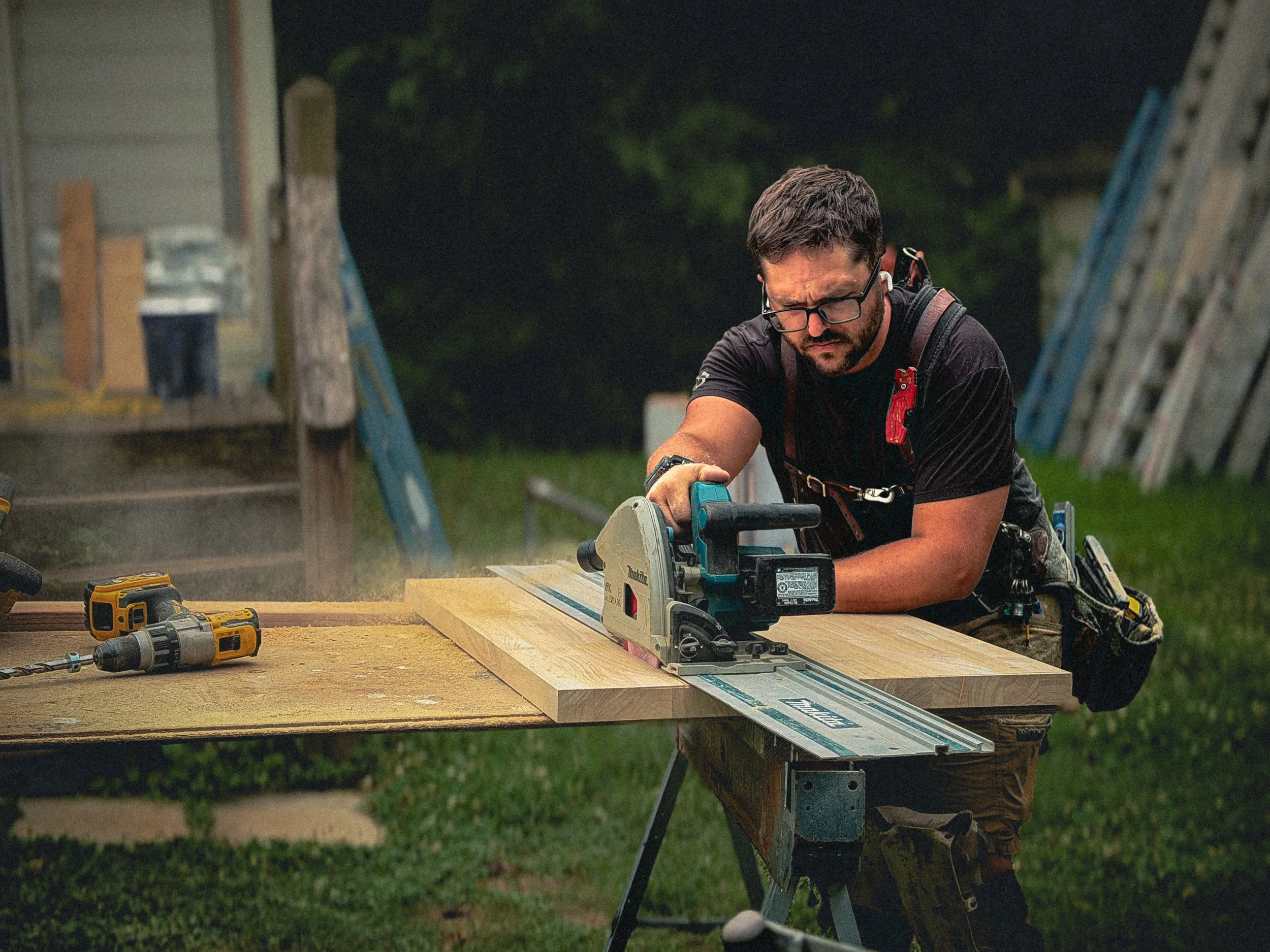
Opportunities Are Everywhere
I wouldn’t consider myself a shy person, although I definitely have my moments of introversion.
But when it comes to the world of building and remodeling, I have always been interested in the entire process. So many different parts of a home interest me, and when someone mentions having trouble finding someone to handle a certain part of a project, I naturally want to help.
I have often heard people complain about a lack of work or opportunities.
But at some point, I realized something simple:
I just needed to listen and speak up.
Once I started paying attention to conversations around me and making it known what I could do, opportunities started appearing.
Marketing helps. Putting yourself out there matters. But traditional marketing is a slow process, and many people only think about reaching out when they immediately need a service.
Sometimes opportunities are already around you. You just have to recognize them.
But people can’t recognize what you can do if they don’t know what you care about.
Which leads into the next point.
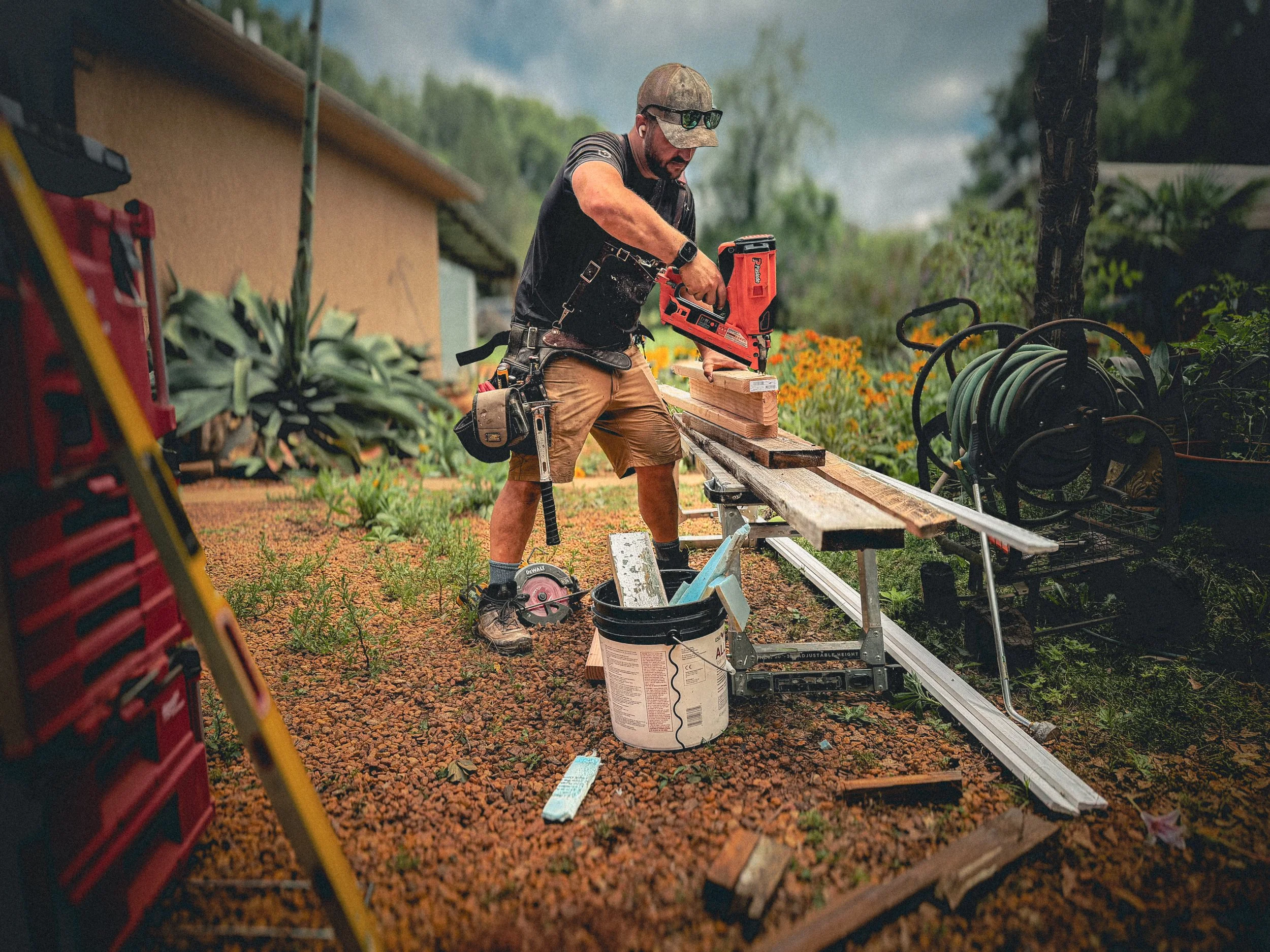
Share Your Purpose
This is marketing in its simplest form.
A lot of people think marketing is branding. The logo. The shirts. The wrapped vehicle. The website.
And those things have their place.
But I believe the most powerful form of marketing is showing people who you are, what you do, and why you do it.
For me, that has been taking pictures, recording videos, and sharing my work online.
Yes, before-and-after photos are valuable. But I have found myself enjoying sharing the entire journey—the good moments, the struggles, the lessons, and the thought process behind the work.
Being myself has created more connection than trying to present a perfect image ever could.
This journal section of my website has not necessarily proven itself financially yet, but it has given me something valuable: a place to organize my thoughts and share ideas in a way social media often does not allow.
And that matters.
Finding places to share my purpose and the things I care about has created opportunities.
But none of this happens without continuing to learn.
Leading into;
Keep Learning
The people who tend to fade are often the ones who say, “That’s just how it has always been done.”
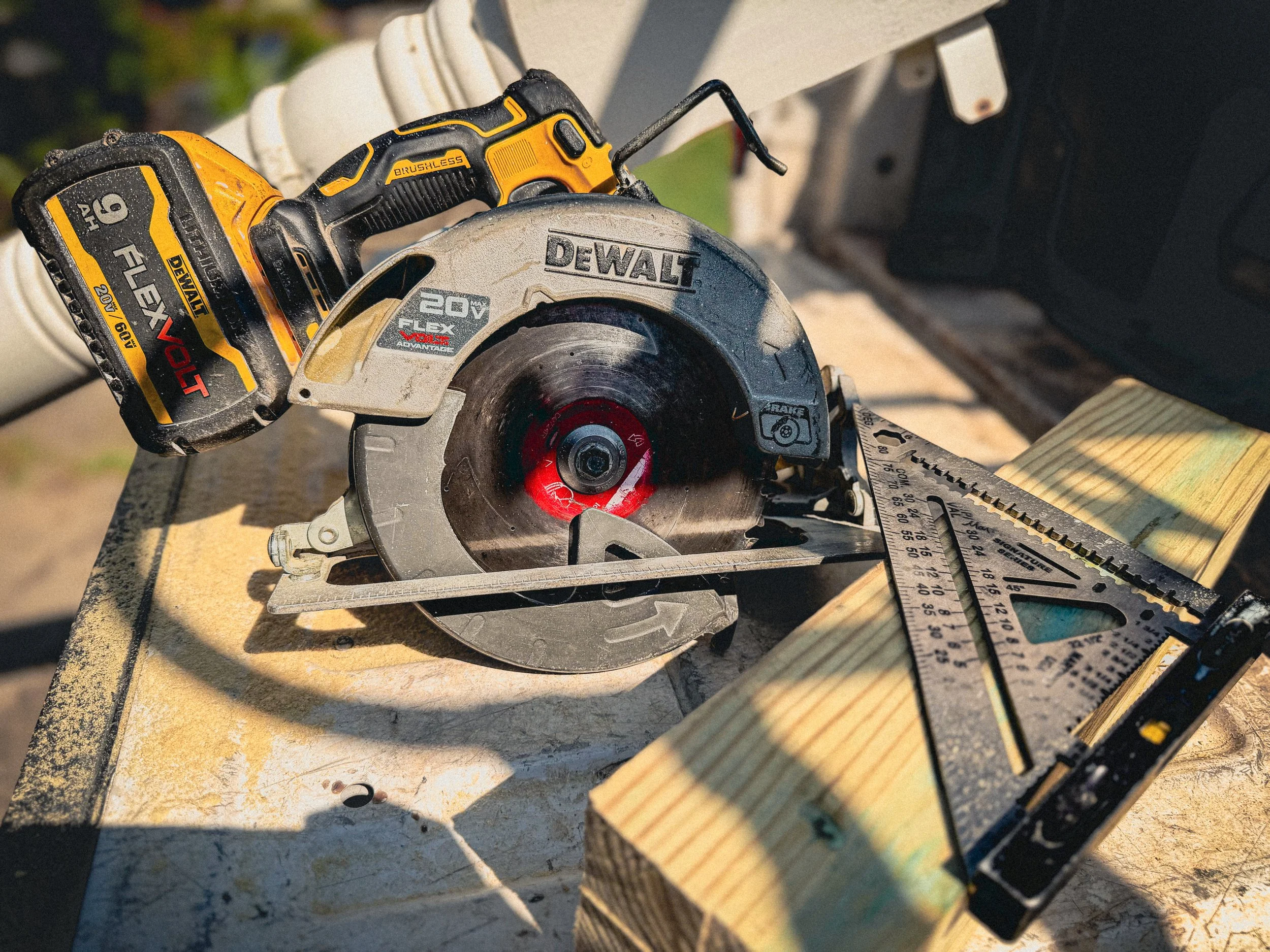
In my decade-long pursuit of becoming a carpenter, there has always been something new to learn.
I constantly search through the greatest library we have ever created—the internet—for one more piece of knowledge to add to my skillset.
Trade articles. Social media. Long-form videos. Blogs. There is an incredible amount of information available from people willing to share what they know.
Just as libraries once opened doors for people searching for knowledge, the internet has become a tool for learning at a pace that was never possible before.
Some people believe carpentry is only learned through decades of jobsite experience. While there is truth to that, I entered this trade later in life and have been able to accelerate my learning by seeking knowledge wherever I can find it.
And this does not only apply to carpentry.
Look at other trades. Study their processes. Find what works. Find what can be adapted.
Drywall, concrete, painting, electrical, plumbing, roofing—every trade has something to teach you.
Even outside of construction, there are ideas and principles that can make you better at your craft.
You just have to be willing to look for them.
But with all that learning comes another important lesson.
Invest In Yourself
Growth requires investment.
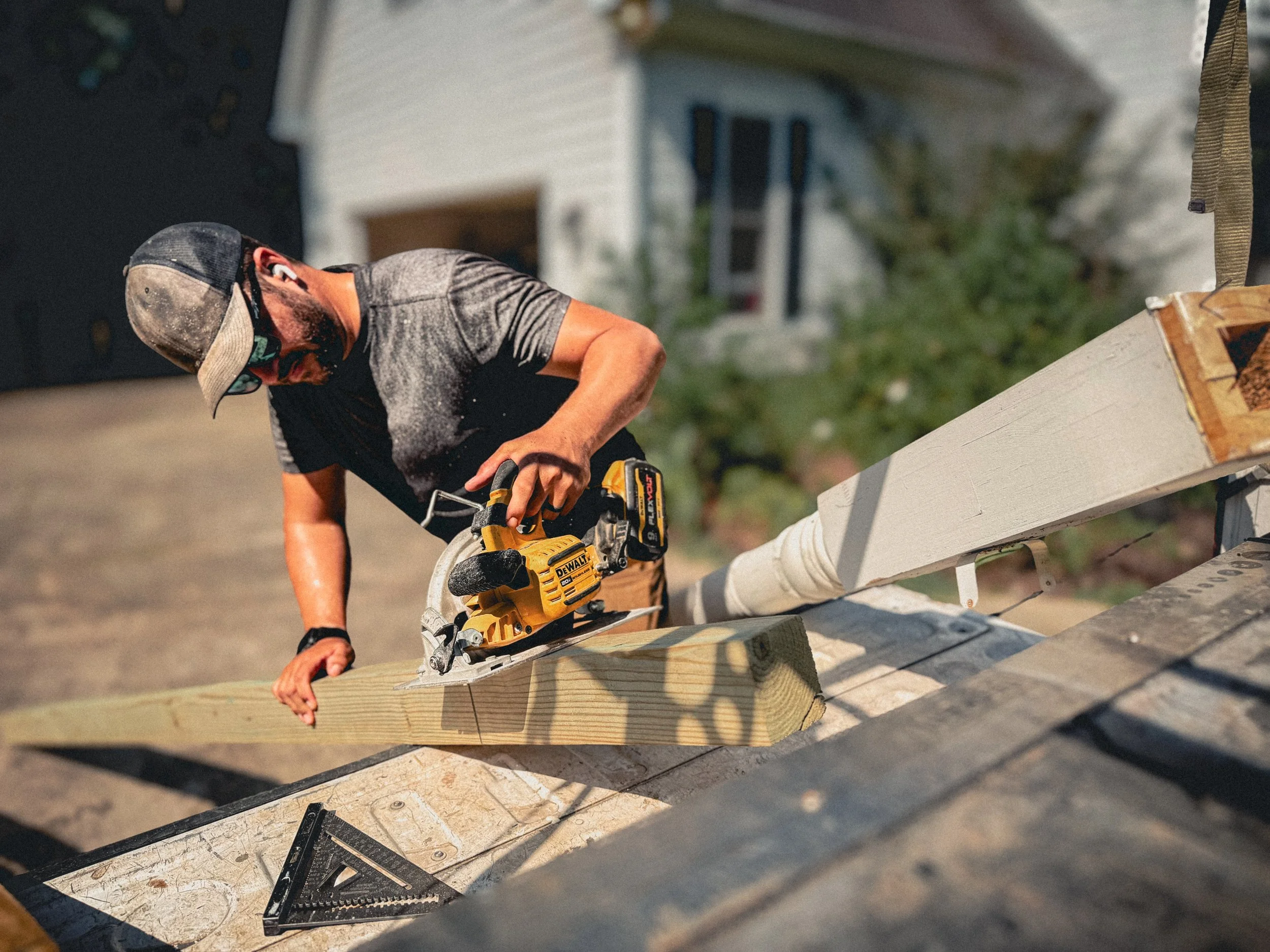
For someone entering remodeling or home building, that may mean tools. It may mean education. It may mean time spent learning from someone more experienced.
A solid starting point may require thousands of dollars in tools, but after that, purchases should be viewed as investments.
Does it improve your quality?
Does it improve your efficiency?
Does it do both?
If so, it is probably worth considering.
But investments are not only financial.
Sometimes the best investment you can make is paying someone else to shorten your learning curve.
That could mean working alongside someone more experienced. Taking a temporary pay cut to learn a new skill. Accepting that you may earn less today because you are building toward something better tomorrow.
You can invest with money, or you can invest with time.
Both have value.
As you grow, you also have to consider overhead. Tools, equipment, vehicles, and systems all become part of running a business.
But there is one thing I strongly believe you should avoid.

Don’t Go Into Debt
One of the worst mistakes someone can make is believing they need to borrow money just to get started.
I have seen companies do this. Sometimes it works. Sometimes they grow quickly.
But eventually, reality catches up.
They find themselves working to cover expenses instead of building something meaningful. The pressure starts affecting their decisions, their enjoyment, and their ability to adapt.
The contractors I respect most are usually the ones who grew slowly and intentionally.
They worked hard. They saved money. They reinvested when it made sense.
Because they were not controlled by debt, they had more freedom to make better decisions.
Debt is always a risk versus reward calculation. We celebrate the people who took the risk and succeeded, but we rarely hear about the many who took the same risk and didn’t.
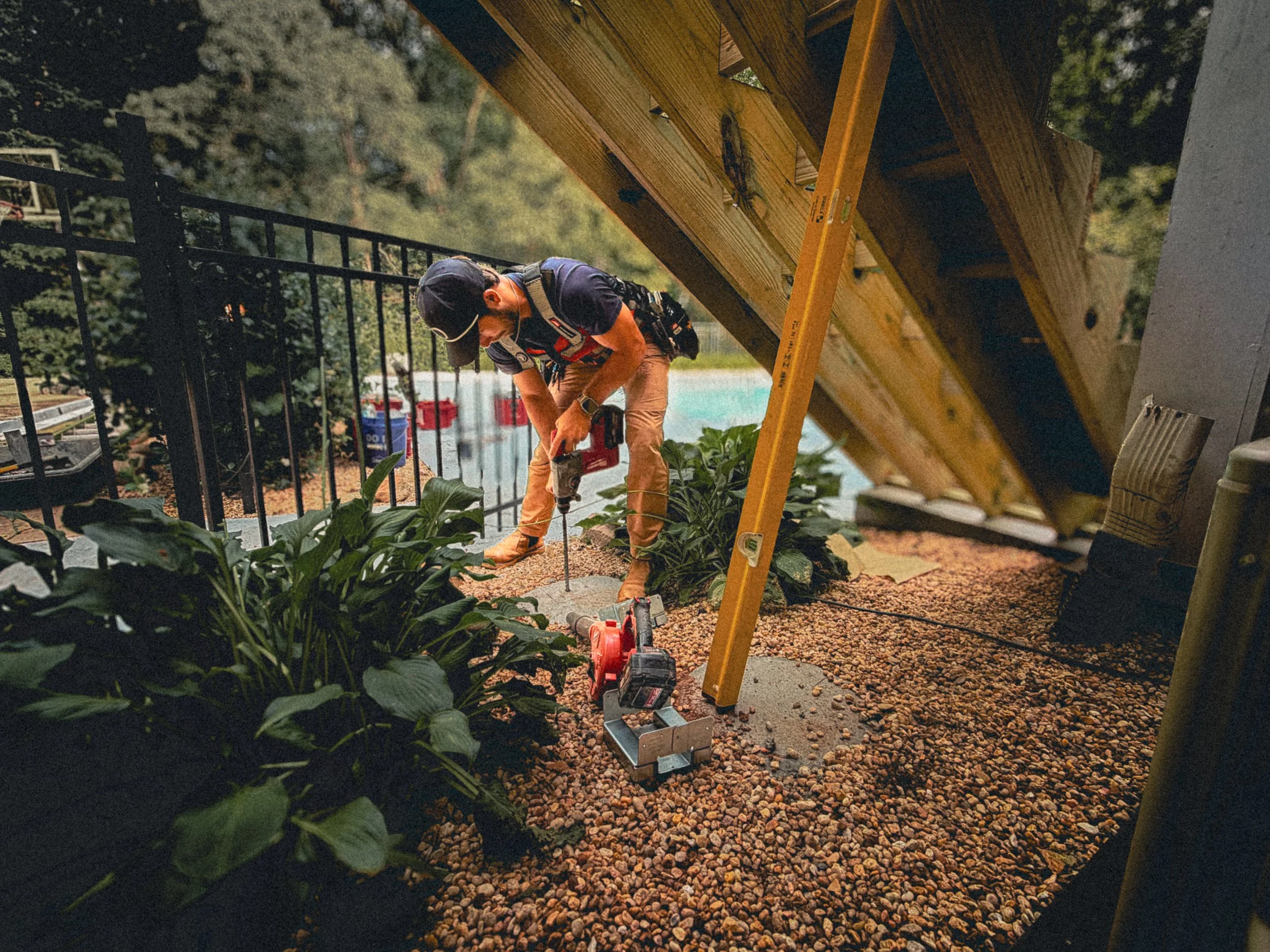
There is more I could say. There is always more experience to share and more lessons to learn
But these are the things I find myself coming back to when someone asks for advice.
Stick with it.
Look for opportunities.
Share your purpose.
Keep learning.
Invest in yourself.
And be patient with the process.
I am still learning and developing these lessons myself, but if sharing my experiences helps someone else avoid a mistake or keep going a little longer, then it is worth putting them out there.