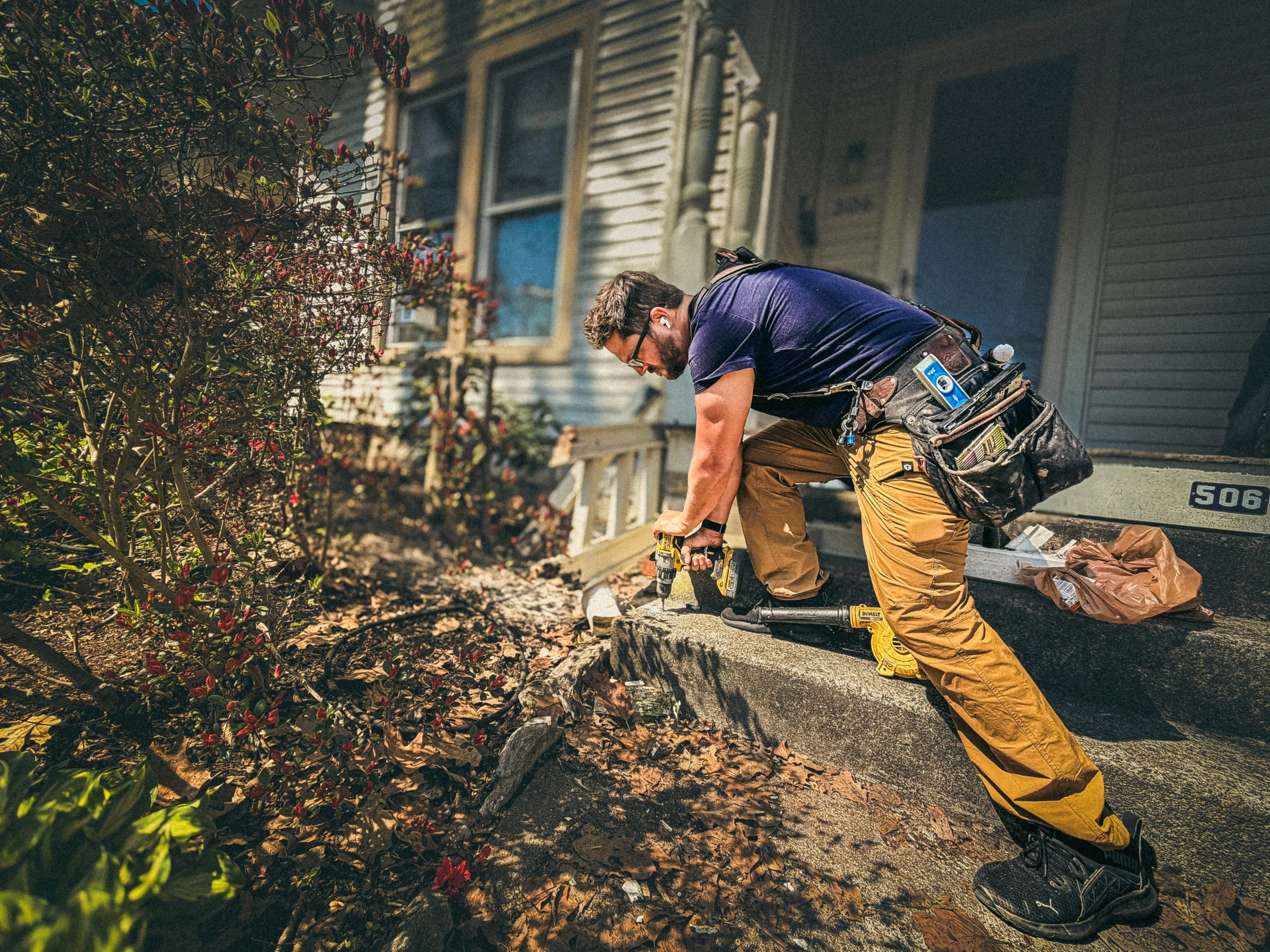
Carpenter or Handyman?
It’s all a journey. Part of the story.
I don’t know how it will end or where the path will take me.
I have an idea, but no one is holding my hand.
Sometimes it feels right, at least for the moment. Then something changes. It no longer fits what I feel defines a content and fulfilling journey.
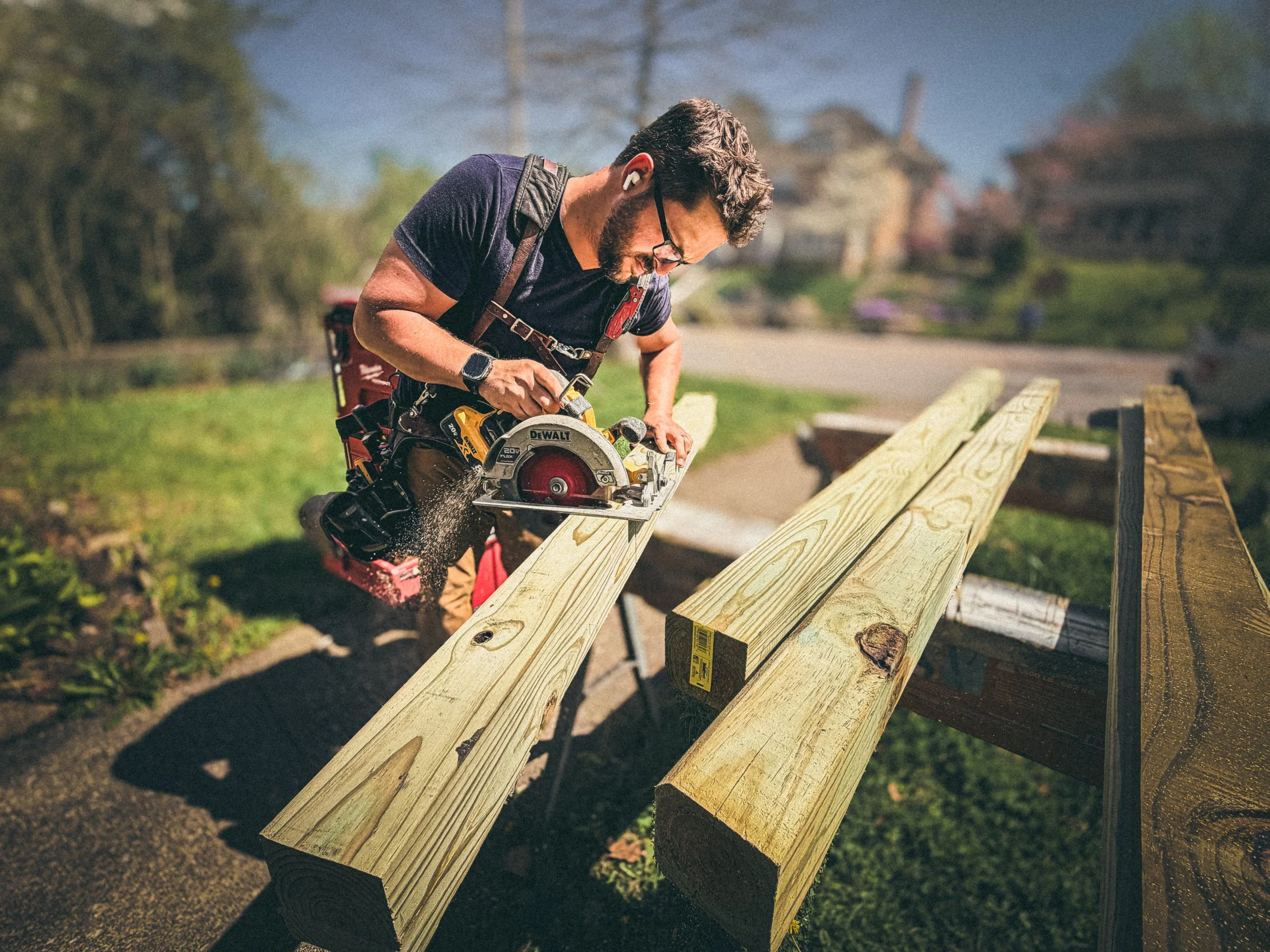
When people ask me what I do, I proudly respond, "Carpenter." Even adding the specialization of "remodeling" to that title makes me happy.
But remodeling comes with one caveat: you end up putting your hands into far more than modifying and installing wood. Over the years, it has built skills in drywall, painting, electrical, plumbing, roofing, tile, concrete, and many other trades. It isn't as simple as completing one part of a project without affecting the whole. And many remodeling jobs are small enough that it often makes more sense for one person to handle everything rather than bringing in multiple trades.
It's been a difficult balance to decide, "Should I focus solely on carpentry, or broaden my scope to better serve my clients on smaller projects?"
The problem with the lone-performer, jack-of-all-trades approach is the label that comes with it: handyman. It's something I've accepted over time, but within the home building world, it's often a title people look down on.
Ironically, that handyman skillset is what opened the door to commercial work. It's been several months since I stepped away from that world, but it was there that I finally had to ask myself, "Am I a carpenter, or am I a handyman?"
The commercial side rarely gave me opportunities to do carpentry. I was lucky if I got to use that skillset two or three times a year. Those were the jobs that left me feeling the most fulfilled. I knew what I was getting into, had the knowledge to do it well, and could walk away proud of the finished product.
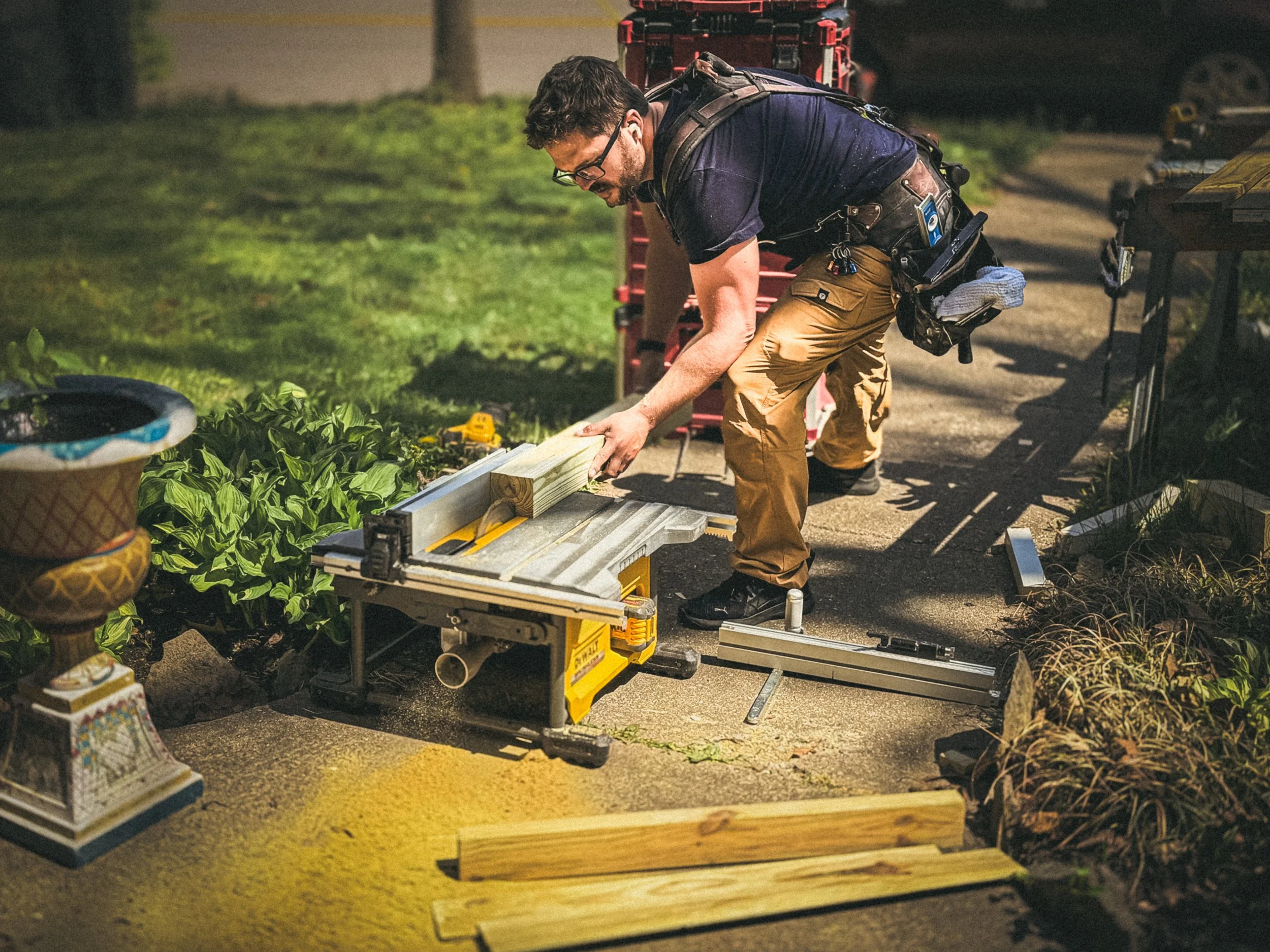
Most of the work, though, was small problem-solving jobs involving metal, concrete, and tile. There was nothing wrong with it. It paid the bills. But it felt like a job more than a craft.
There were other parts of the commercial world that never quite sat right with me or with the kind of journey I want to build. Sometimes I wonder if I could have learned to better navigate those parts, whether I'd still be doing it today. To be fair, most of what bothered me wasn't the companies themselves. It was the day-to-day reality of the work and everything that came with it. That's probably a conversation for another time, but it ultimately led me to where I am today.
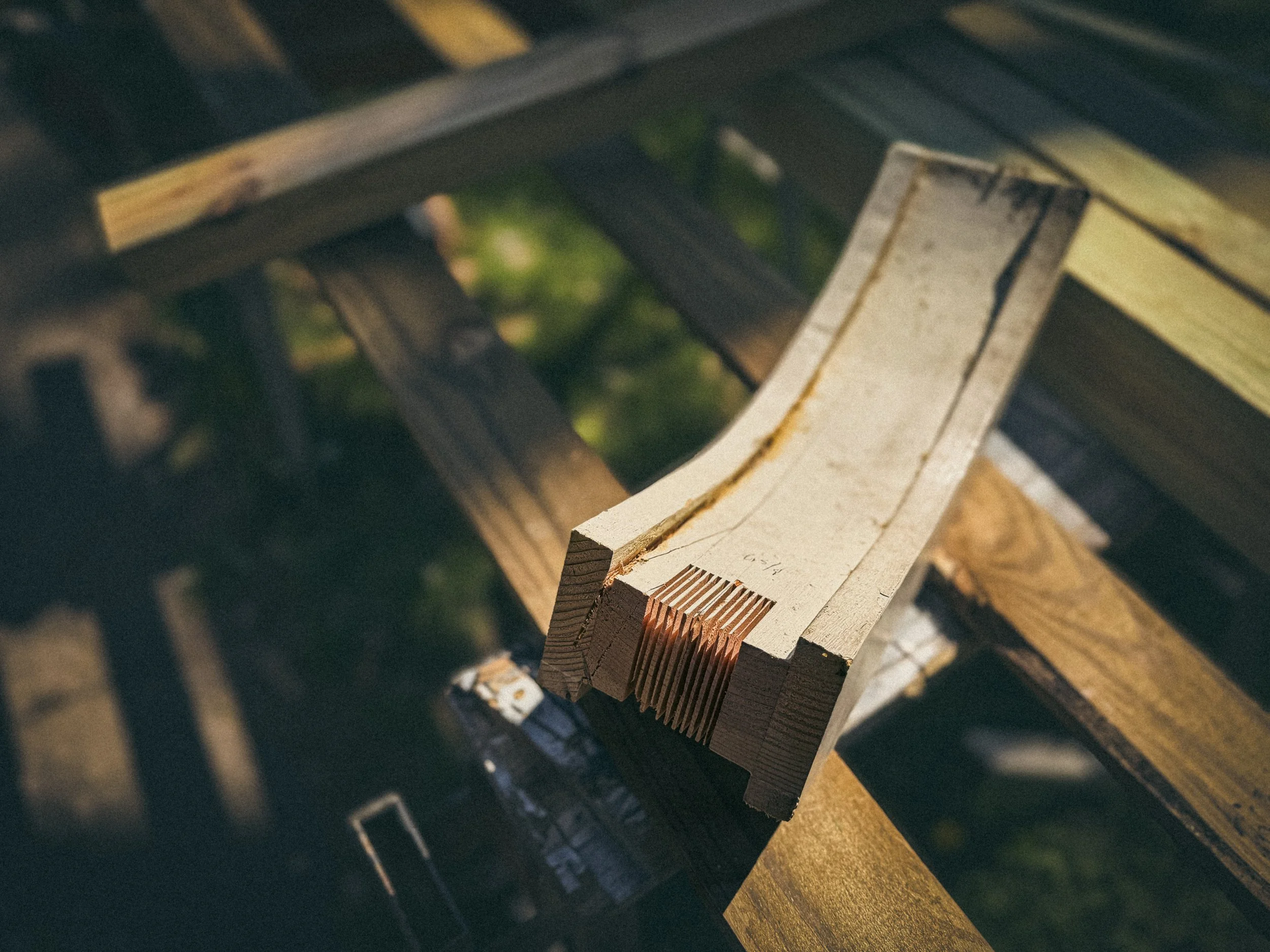
I'm no longer sitting around wondering whether I should focus on carpentry.
I'm doing it.
These days, I'm rarely investing in more tools for every trade or trying to expand my knowledge into something new. Instead, I'm choosing to go deeper into the craft of working with wood.
I'm in a good place where I can finally give it my full attention.
As time goes on, I know I'll still rely on many of the skills I've picked up over the years. They have their place, especially when they support the carpentry work I love. But if the current trajectory of my business continues, I want to spend less time being the person for every trade and more time becoming a better carpenter.
So here's to focusing this journey on what genuinely excites me.
Hopefully, I'll have a lot more carpentry to share in the future.